- Home
- OUR PPRODUCTS
- Our Projects
- Our Factory
- About Us
- Contact Us
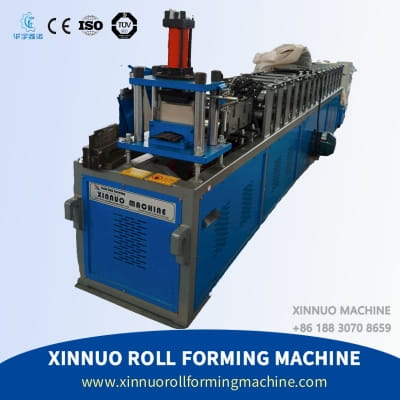
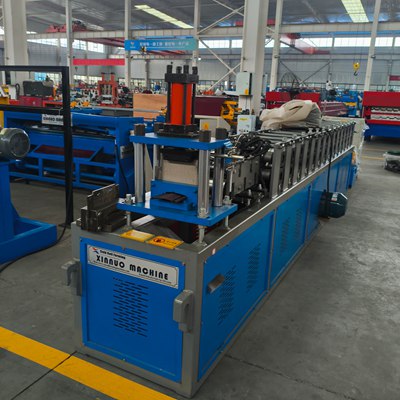
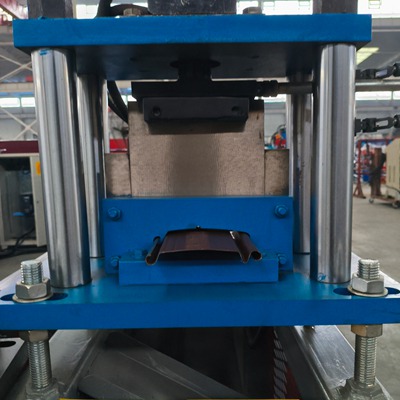
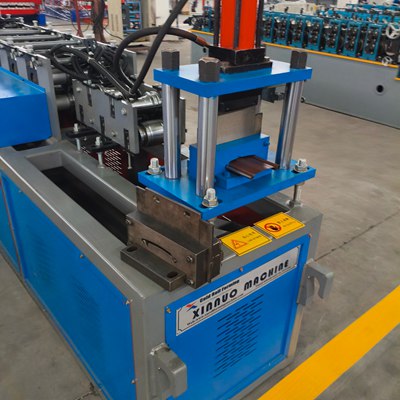
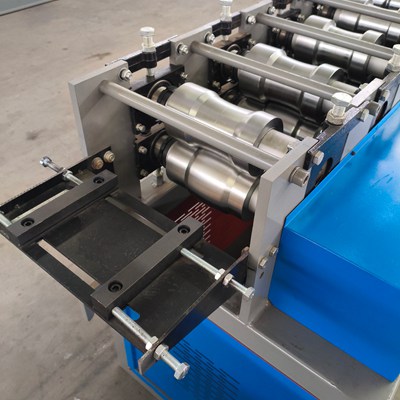
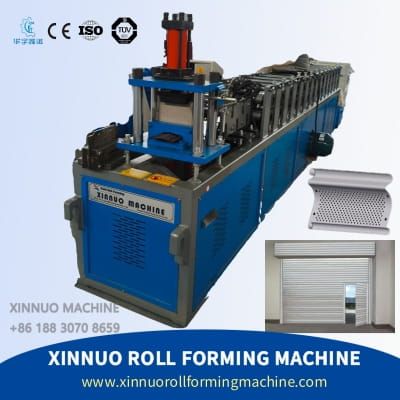
Rolling Shutter Door Equipment Technical Parameters
1. Middle panel thickness: 18MM
2. Thickness: 0.5-1.2MM
3. Shaft diameter: 60MM
Contact person: Selina
Tel: +86 188 3070 8659
Whatsapp :+86 18830708659
Email:xinnuo07@xinnuomachine.com
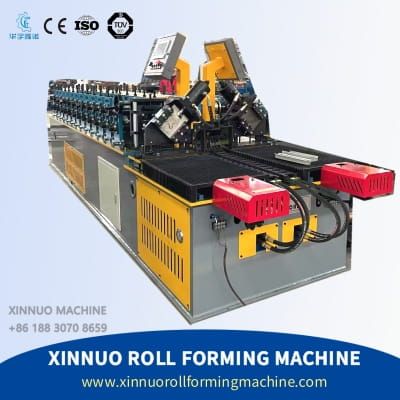
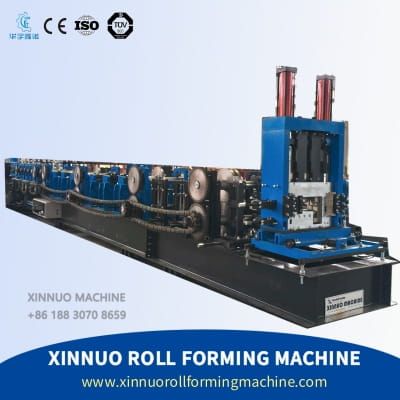
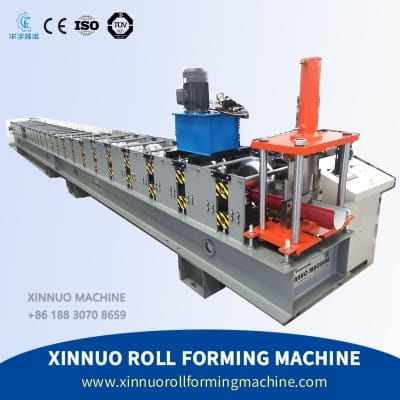
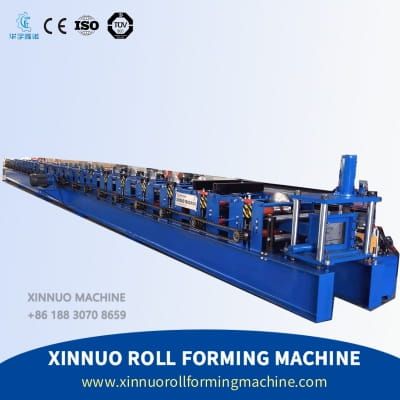
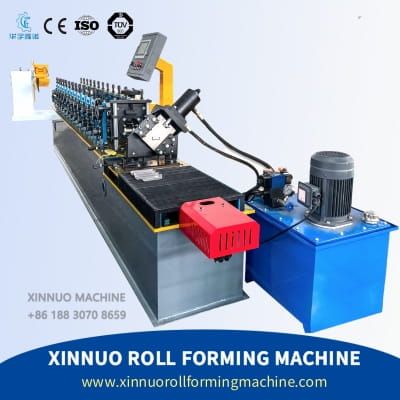
Technical parameters of rolling shutter door forming machine
1. Suitable plates: color steel plate, galvanized plate, stainless steel plate
2. Board thickness: 1.2mm
3. Forming rows: 16 rows
4. Shaft diameter: 70MM
5. Main motor: 11KW
6. Equipment speed: 8-18 meters per minute, gear transmission
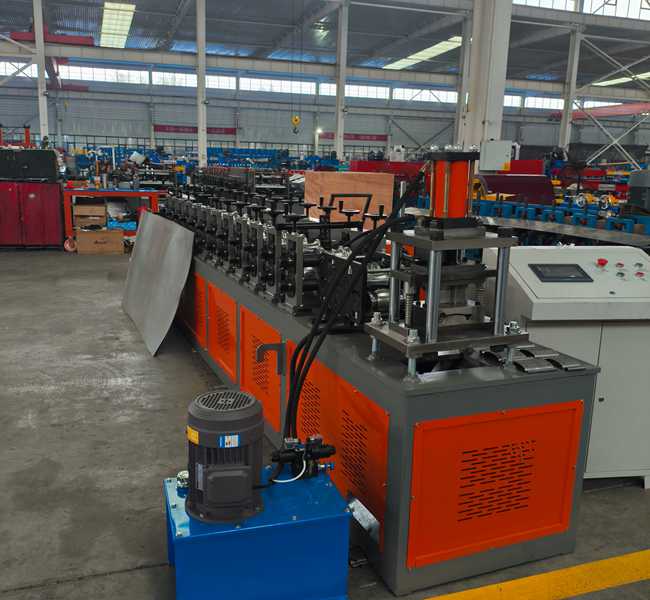
During the roll forming process, the board is subjected to uniform force, and the surface is not easily scratched, wrinkled, or deformed. The formed curtain has high flatness and good aesthetics, reducing the appearance defects caused by manual operation in traditional processes.
The main frame is made of high-strength steel welded or cast, combined with heavy-duty bearings and gear transmission system, which can withstand the large stress during the rolling process and is suitable for 24-hour continuous production. The equipment life can reach more than 10 years.
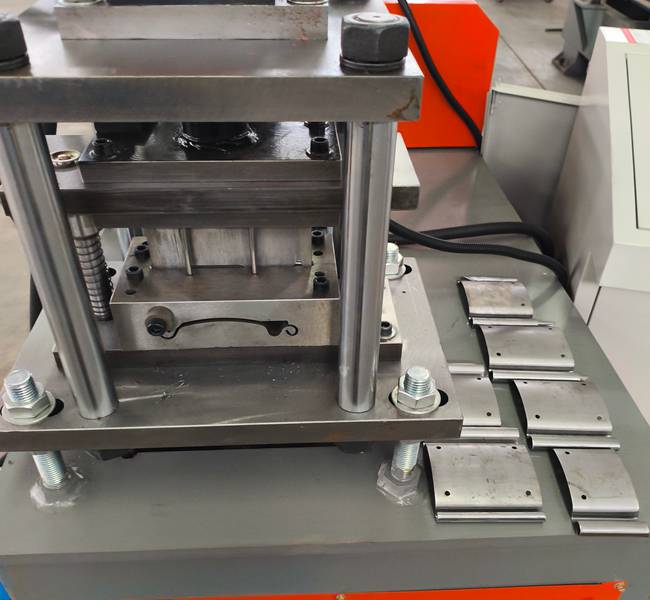
The rolling shutter door forming machine has become a key equipment for rolling shutter door manufacturing enterprises to enhance their competitiveness through core advantages such as efficient automation, high-precision production, flexible changeover, durability, and low consumption. For small and medium-sized enterprises, they can choose cost-effective standalone equipment; Large enterprises can configure fully automated production lines to achieve large-scale and customized production, meeting diverse market demands.
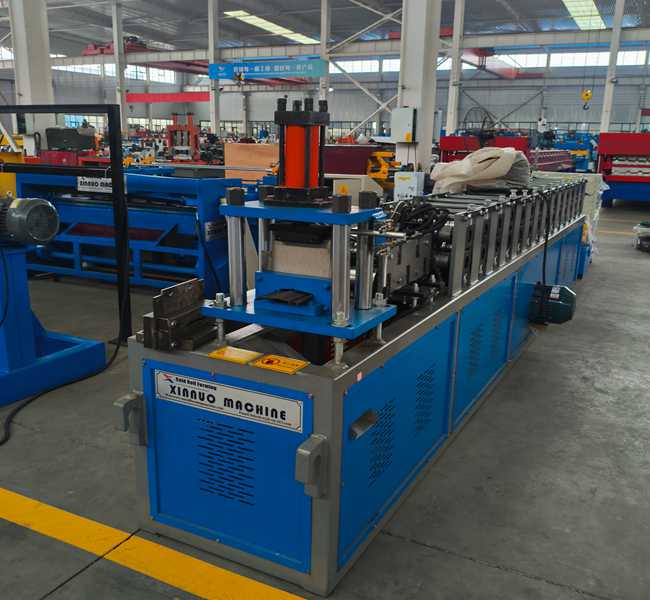
High production efficiency, saving manpower
Continuous automation production: Once the equipment is started, it can continuously press and shape color steel plates or galvanized sheet coils, cut them to a fixed length, and form door panels one by one. This is several times faster than traditional manual or semi mechanized production.
High speed operation: Modern tile presses use high-performance servo systems or hydraulic systems, which run smoothly and have very fast stamping and feeding speeds, greatly increasing daily production.
One person operation: The entire production line usually only requires 1-2 workers for loading, monitoring, and receiving, greatly reducing labor intensity and labor costs.